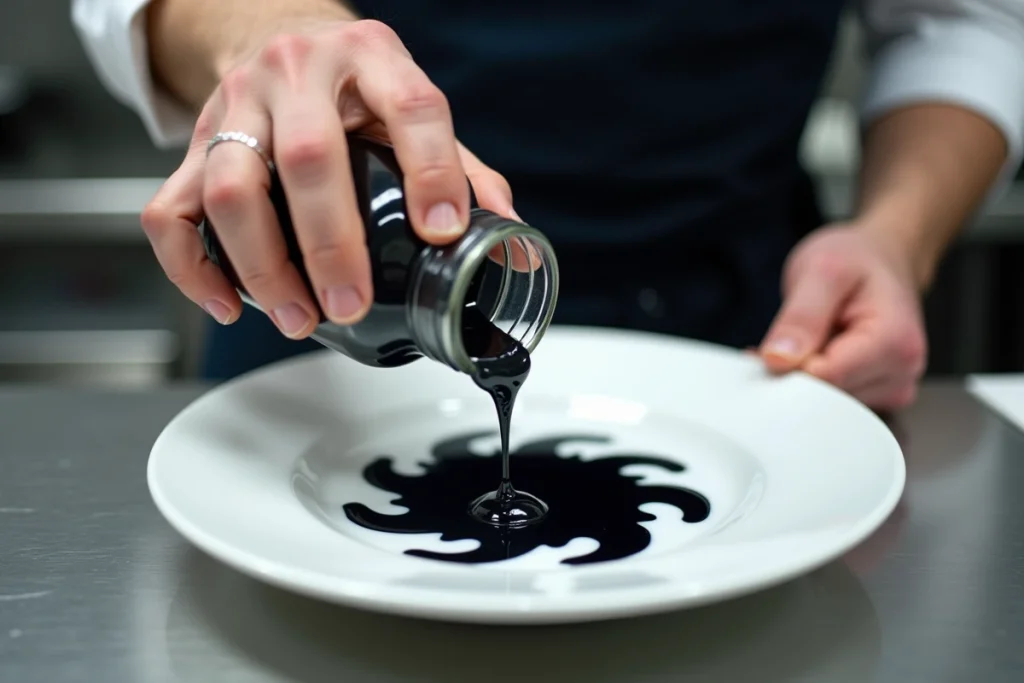
We are preparing a dish of pasta al nero di seppia for a dinner, and a guest asks if he is allergic to mollusks. The question falls flat, as no one really knows how to respond. Cuttlefish ink is perceived as a harmless coloring agent, an exotic ingredient added without much thought. However, the risks associated with its consumption deserve attention before pouring it into the pot.
Cuttlefish Ink and Mollusk Allergens: An Overlooked Regulatory Obligation
The cuttlefish is a cephalopod mollusk. Its ink, extracted from the animal’s ink sac, inherits the same allergenic status. In France, cuttlefish ink is among the “mollusk” allergens that must be declared in the restaurant industry, just like oysters or squid.
In practical terms, a restaurateur who colors bread, risotto, or a sauce with cuttlefish ink must indicate this on their menu or allergen display. Failing to comply with this obligation can result in an administrative fine of up to 1,500 euros per infraction for an individual.
To better understand the dangers of cuttlefish ink, we can distinguish two risky situations. The first concerns people allergic to mollusks who consume a colored dish unknowingly, as the ink does not significantly alter the taste. The second affects the restaurateurs themselves, who may omit the declaration due to ignorance of the ingredient’s regulatory status.
People allergic to shellfish sometimes experience cross-reactions with mollusks. If you know that a guest reacts to shrimp or langoustines, caution dictates that you should indicate the presence of cuttlefish ink in the dish, even in home cooking.
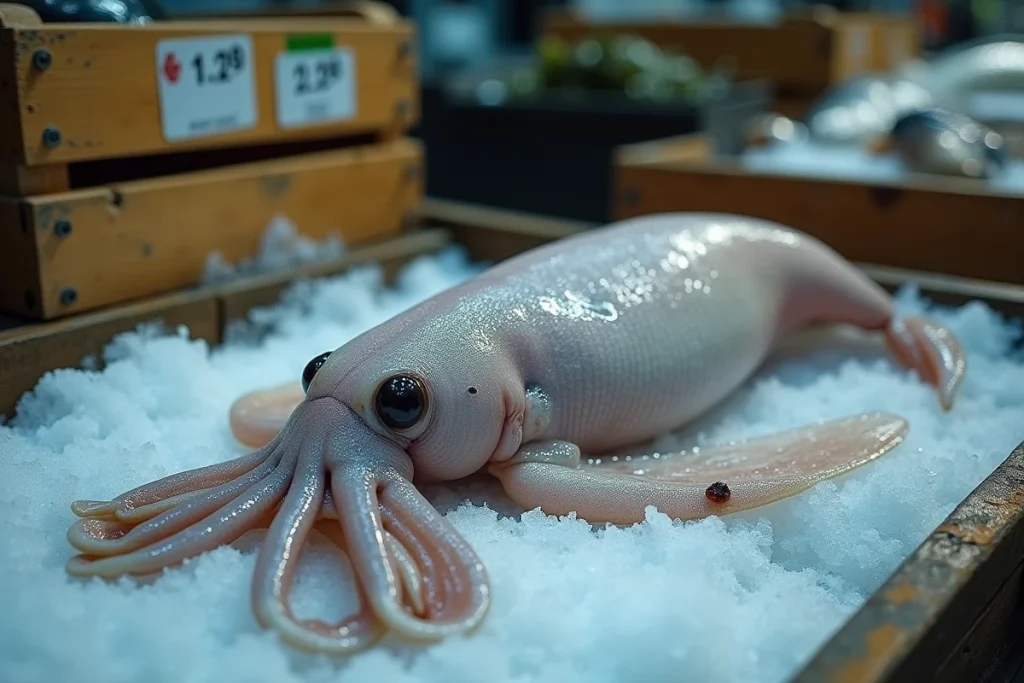
Marine Biotoxins and Artisan Ink: The Risk of Recreational Fishing
Sometimes, ink is collected directly from a fresh cuttlefish purchased whole or caught oneself. This practice carries a specific risk that online recipes rarely address.
Seafood can be contaminated by biotoxins of the DSP type (diarrheic shellfish toxins). These toxins cause diarrhea, vomiting, abdominal pain, and moderate fever within two to eighteen hours after consumption. Alerts from the DGCCRF mainly concern filter-feeding shellfish, but the principle applies to any uncontrolled artisan extraction.
Commercial Ink vs. Homemade Ink: Different Levels of Control
Cuttlefish ink sold in packets or jars has undergone health inspections as part of the food traceability chain. The origin of the batch, storage conditions, and expiration date are known.
When extracting ink from a cuttlefish caught recreationally, none of these safeguards exist. The sac may have been punctured during handling, exposing the ink to the animal’s digestive contents. The cold chain may have been broken between fishing and cooking.
- Prefer cuttlefish ink packaged by an identified manufacturer, with a readable batch number and expiration date.
- If extracting the ink yourself, do so immediately after purchase or fishing, from an animal kept cold without interruption.
- Never use ink from a cuttlefish whose sac has burst in the packaging if you do not control the storage conditions before opening.
Heavy Metals in Cuttlefish Ink: A Still Unclear Topic
Cephalopods naturally accumulate certain heavy metals present in their marine environment, particularly cadmium. Cuttlefish ink, produced by a gland in the animal, is not exempt from this bioaccumulation logic.
The amounts of ink used in cooking remain low, on the order of a few grams per dish. At this scale, exposure to heavy metals through the ink alone is marginal. Feedback on this point varies, and there is a lack of specific studies focusing exclusively on the ink (most analyses focus on the flesh or organs of the cephalopod).
Caution is especially advised in two cases:
- Regular consumption of cuttlefish ink (several times a week), which could contribute to cumulative exposure to heavy metals.
- Pregnant women and young children, for whom health authorities already recommend limiting certain seafood due to the risk of mercury and cadmium contamination.
- Cuttlefish caught in port or industrial areas, where contaminant concentrations may be significantly higher.

Storage and Bacterial Risk: Common Mistakes in Cooking
Cuttlefish ink is an animal product, rich in protein and water. Inadequate storage promotes bacterial proliferation, including pathogens like Clostridium botulinum, responsible for botulism.
Opened Packet and Ink Leftovers
An opened packet of cuttlefish ink can be stored in the refrigerator for a maximum of two to three days, in an airtight container. After this period, it should be discarded without hesitation. The black color of the ink makes any visual alteration difficult to detect, unlike other products where a change in hue serves as a warning.
For longer storage, freezing works well. Ink can be spread in an ice cube tray to obtain individual portions, usable directly in a hot dish without prior thawing.
Temperature and Cooking
Cuttlefish ink is usually added at the end of cooking to preserve its color. This practice is compatible with food safety as long as the dish reaches a sufficient temperature to neutralize any potential pathogens. A dish served warm with ink added off the heat presents a higher risk than a dish brought to a boil after incorporation.
Cuttlefish ink is not a dangerous ingredient in itself. The real risks focus on three specific points: unreported mollusk allergy, the sanitary quality of uncontrolled artisan ink, and storage errors after opening. Addressing these three points is enough to cook confidently with this ingredient.