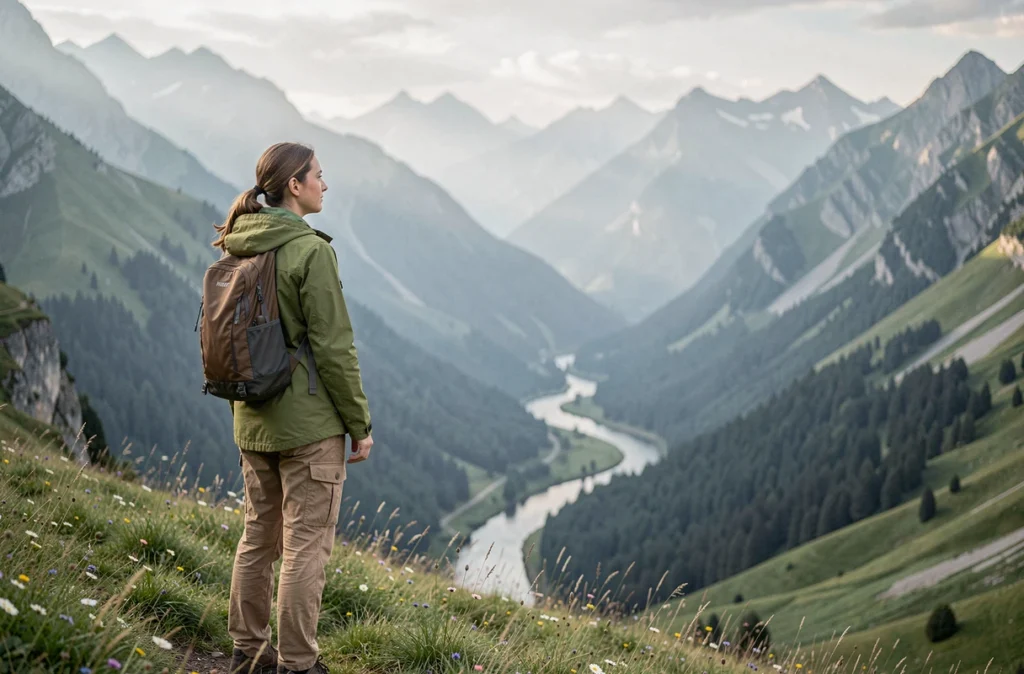
Some destinations draw their appeal not from monuments or museums, but from geological phenomena, living environments, or landscapes shaped over millions of years. These natural tourist resources, whether a national park, a volcanic coastline, or a primary forest, offer an experience that nothing constructed by man can replicate. However, it is essential to know which ones are worth the detour and how to approach them without degrading them.
Quotas and Ecotaxes: What Changes for Nature Travelers
Have you noticed that you now need to book a time slot to access certain famous natural sites? This is not an administrative whim. In response to overcrowding, several countries have implemented restrictive measures that change the way to plan a trip.
The Teide National Park in Spain applies a quota of about 300 visitors per day for the summit ascent. Without prior reservation, access to the crater is simply denied. The Galápagos Islands in Ecuador have strengthened their visiting standards with stricter controls on authorized routes and length of stay.
These measures reflect a strong regulatory evolution in iconic nature destinations. For travelers, this means one simple thing: spontaneity has its limits. Booking several weeks in advance is becoming the norm, not the exception. A comprehensive guide on natural resources on Quelque-part helps identify these sites and their access constraints before finalizing an itinerary.
Coolcation: Why Nordic Landscapes Are Attracting More Travelers
Since 2024, a trend called “coolcation” is redistributing tourist flows to nature destinations in temperate or cool climates. Scandinavia, the mountains of Central Europe, northern regions: these areas are gaining popularity because travelers seek to avoid heat waves that make Mediterranean or tropical stays increasingly uncomfortable in summer.
It’s not just a matter of comfort. The landscapes associated with these latitudes, boreal forests, glacial lakes, fjords, tundra, offer ecosystems radically different from those found around the Mediterranean basin. Wildlife is also more visible there: in Scandinavian national parks, observing moose, reindeer, or seabirds is part of the daily experience.
The World Tourism Organization and several national offices present this trend as one of the main movements in international nature-oriented tourism, directly linked to climate disruption. For a traveler who is hesitating between several destinations, favoring a Nordic national park in July offers safer hiking conditions than a trek in southern Europe at the same time.
Iceland, Norway, Scotland: Three Distinct Nature Profiles
Iceland attracts with its volcanic and geothermal phenomena. Norway enchants with its fjords and archipelagos like the Lofoten. Scotland offers moors and deep valleys. These three countries illustrate the diversity of landscapes accessible without leaving Europe.
The common point? A prolonged summer brightness that transforms every outdoor outing. At these latitudes, the low evening light lasts for several hours, a photographic and contemplative advantage that tropical destinations cannot offer.
Ecotourism and National Parks: Criteria for Choosing a Preserved Site
Not all natural spaces open to tourism are equal in terms of preservation. A national park with a strict management plan does not offer the same experience as a natural site exploited without oversight. Before choosing a nature destination, a few criteria deserve to be checked:
- Does the site impose a maximum number of visitors per day or per season? A quota is often a sign of sustainable management of the environment.
- Are there marked trails with restricted access areas to protect wildlife or flora? The best-managed parks clearly delineate accessible spaces.
- Is camping allowed and regulated? In France, regulations on camping in protected areas are regularly evolving. Checking local rules before leaving avoids a fine.
- Does the park fund its conservation actions through an ecotax or an entrance fee? This model ensures that visitation directly contributes to the maintenance of the site.
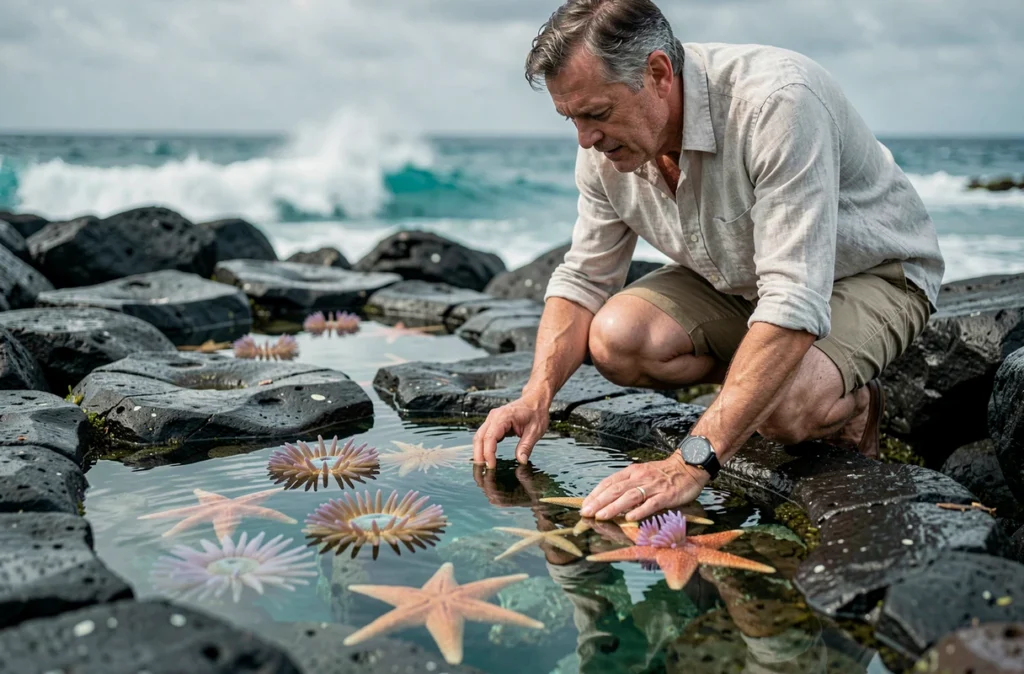
A trip focused on ecotourism is not just about walking in the forest. It involves choosing destinations where sustainable tourism is structured, not just displayed on a brochure.
France: Underestimated Natural Resources
People often think of the great African or American parks when talking about spectacular nature. However, France is home to remarkable environments: wetlands of the Loire Valley, volcanoes of Auvergne, limestone calanques of the Mediterranean, primary mountain forests in the Pyrenees.
The French network of national parks covers very diverse ecosystems in a compact territory. A traveler can move from a rocky coastline to an alpine massif in just a few hours by car. This density of landscapes remains an underappreciated asset internationally.
Preparing a Nature Trip Without Improvising Access
The main mistake travelers targeting natural sites make is treating access logistics as a detail. In a heavily visited national park, arriving without a reservation or without knowing seasonal restrictions can turn a stay into frustration.
A few reflexes change the game:
- Check the official website of the park or protected area at least a month before departure to verify quotas, temporary closures, and expected weather conditions.
- Favor off-season periods, when attendance decreases and wildlife is often more active.
- Check if a local guide is mandatory. In some reserves, accompaniment is not optional.
A well-prepared nature trip does not lose any spontaneity. It gains depth, because the time spent on-site is used for observation rather than solving logistical problems. The most remarkable destinations are those where one arrives informed.